KIDS & TEENS
Brisbane Child & Teen Psychologists
Our psychologists specialise in counselling children and teens.
Our psychologists provide counselling for the treatment of:
- anxiety (separation anxiety, generalised anxiety, social anxiety, obsessive compulsive disorder and specific phobias)
- low mood, including depression
- excessive anger (e.g. excessive tantrums, meltdowns, self-harm)
- coping when parents separate or divorce
- coping with illness or death
- autism spectrum disorders and secondary problems that stem from ASD (e.g. anxiety, meltdowns, social skill difficulties).
- sleep problems
- learning difficulties (e.g. dyslexia, dyspraxia)
- school refusal, bullying and friendship difficulties
- attention deficit disorder and attention deficit hyperactivity disorder
- toileting difficulties
In addition to counselling, we can also complete assessments for learning disorders, attention-deficit hyperactivity disorder and autism spectrum disorder, using relevant assessment tools and clinical observations.
Where possible, we like to involve your child’s support team in treatment – like your family, school, friends and community.
Our psychologists support kids and teens to feel content and confident and feel good about their unique personalities.
How we work varies depending on why you or your child has been referred.
But generally, this is what happens …
1
For kids 14 years and younger, the first session is spent with the parents only. This allows you to talk openly and privately about your family history and any background/ relevant information so that we can fully understand your concerns. We’ll give you some information about how to start addressing the problems at home and at school.
Teens 15+ and parents will usually attend the first session together.
2
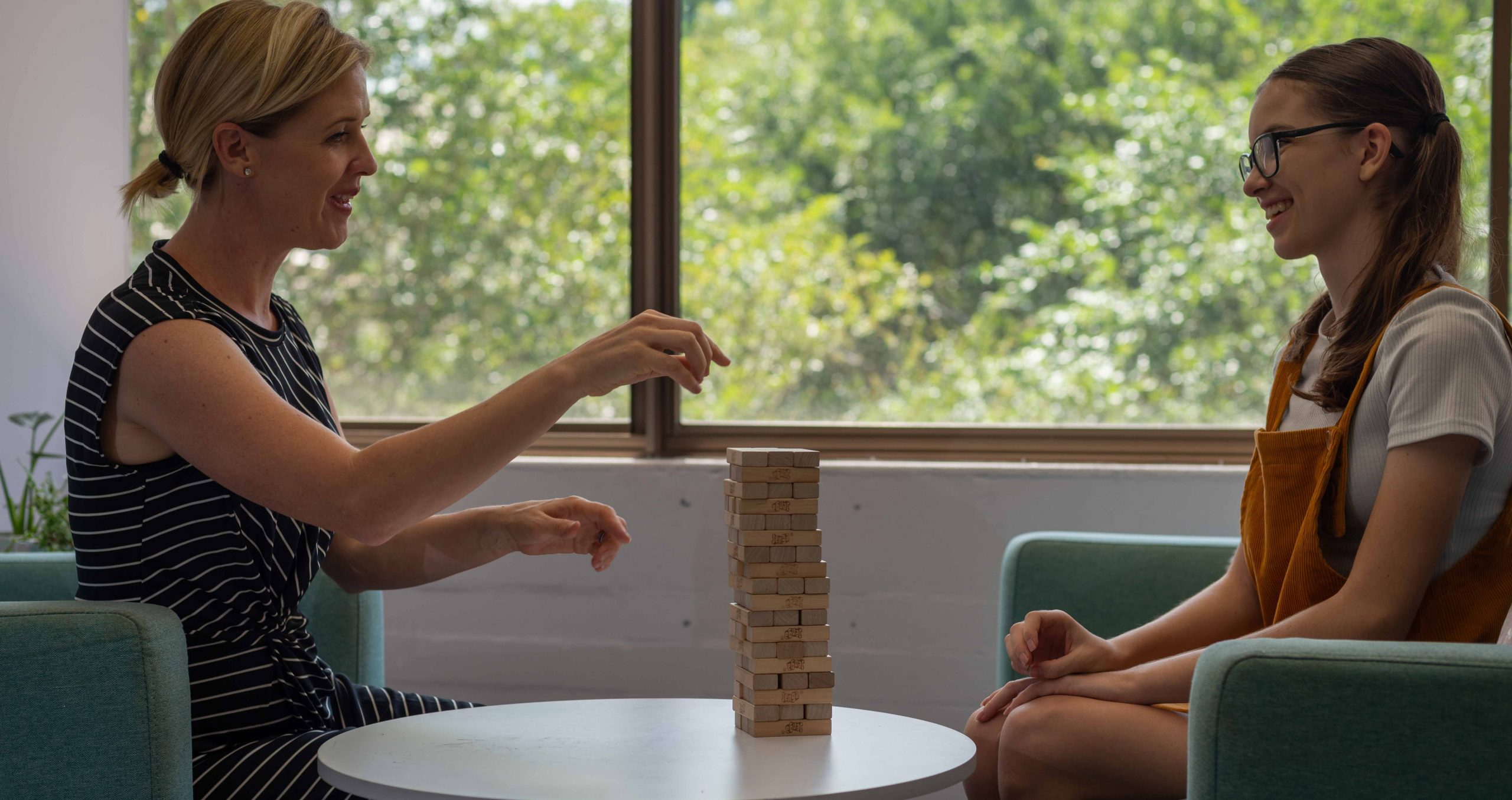
Then, in the second session, we usually meet and get to know your child in our clinic. With younger kids, parents are usually present for some, if not all of the session. With older kids and teens, parents are usually present for some but not all of the session. We like to have fun with children and talk about their interests. We also often use play, games or drawing to engage with them and draw out their strengths. Doing so usually makes it easier for children to talk about their difficulties. By the end of this session, your psychologist will be able to discuss goals and the treatment plan.
3
In the third session, we usually start treatment with your child, meet with you (the parents) again to provide feedback, a treatment plan and a list of strategies to implement at home and/ or school. We also agree on how many sessions it will take us to achieve our goals.
4
From the fourth session onward, this is when treatment takes place … working on our goals with your child and/ or you. We use a variety of treatments (cognitive-behavioural therapy, solution focused therapy, narrative therapy, mindfulness, play therapy) in a fun and creative way. For parents, we like to provide information and monitoring sheets so we can track our progress. We usually work in blocks of 6 sessions. This gives us time to work on achieving your goals.
5
We will finish treatment when your child has achieved their goals and is functioning better at home and/ or at school.
We offer sessions in our clinics and Zoom from Monday to Saturday.
Click on the Book an Appointment button at the top of the screen to find a time and a psychologist to suit you.
To request a kindy or school observation, please email us: info@nestpsychology.com.au so we can schedule a convenient time.